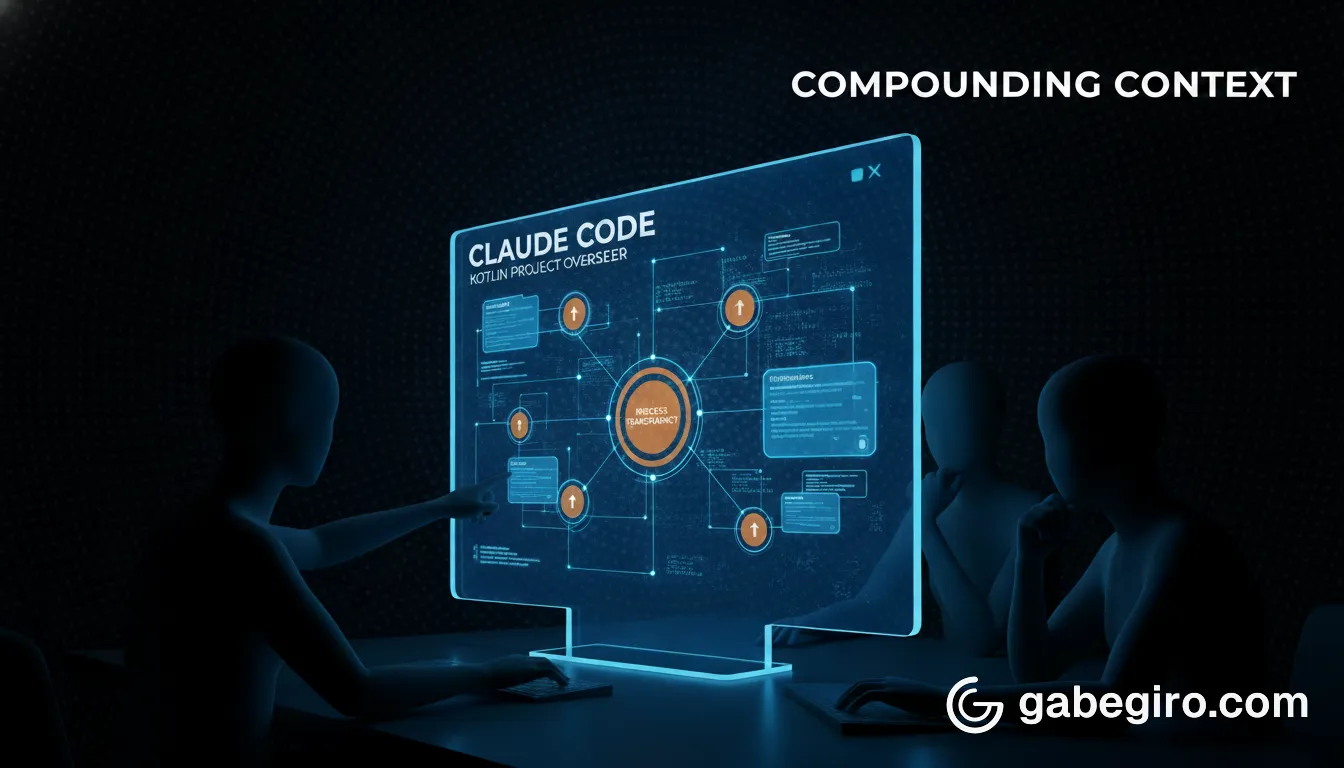
Claude Code on a Client's Kotlin Codebase
My Claude Code workflow on a client's Kotlin Android codebase: a per-project CLAUDE.md, a 3-minute context load, plan mode first, and a compounding session log.
Claude CodeAndroidKotlinAI Tooling
Blog
Practical writing on Android development, software architecture, engineering leadership, and building better teams.
My Claude Code workflow on a client's Kotlin Android codebase: a per-project CLAUDE.md, a 3-minute context load, plan mode first, and a compounding session log.
n8n's default failure mode is a green success on a workflow that did nothing. Six silent traps from real self-hosted pipelines, each with its fix.
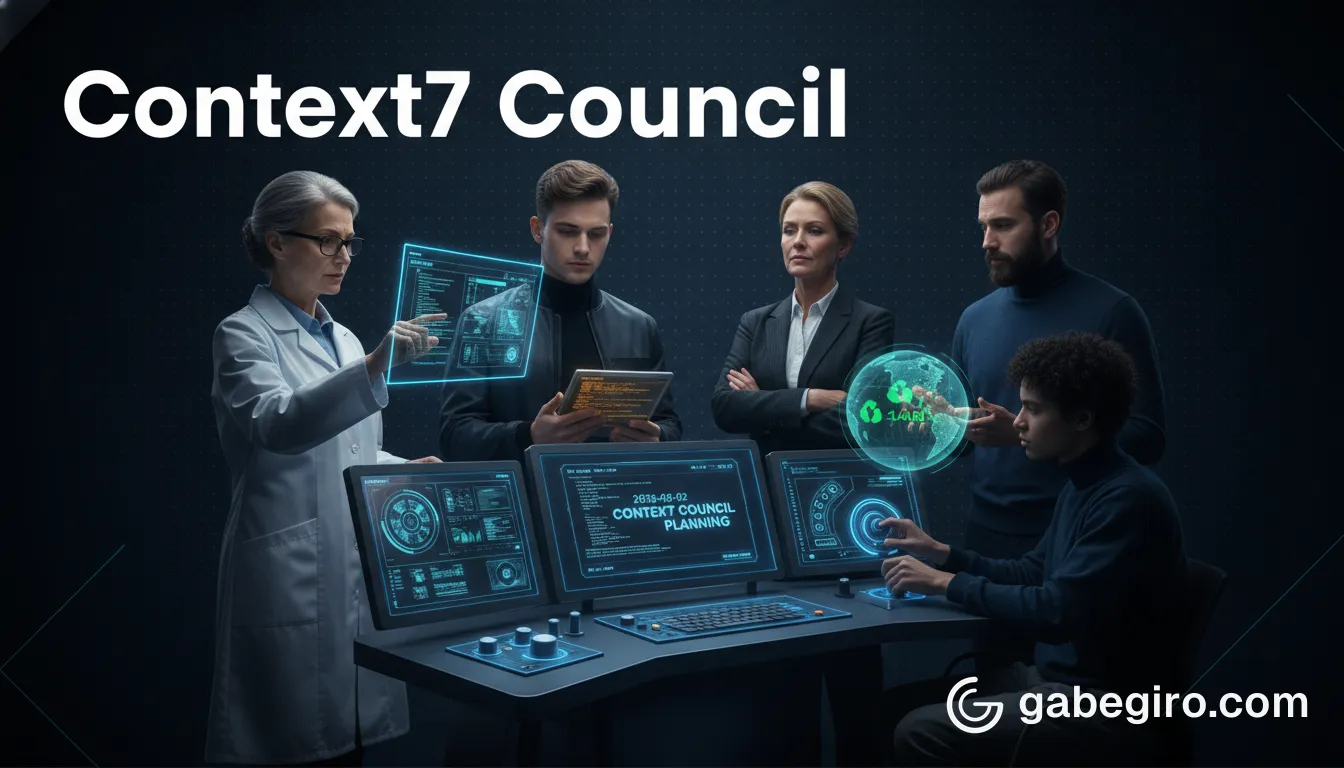
I gave Claude Code an expert council: a table of personas, each backed by live library docs via Context7, that it convenes during planning.
The most important choice about an AI agent is the permission it starts with. Boot it in plan mode and name each session after its task: cheap governance.
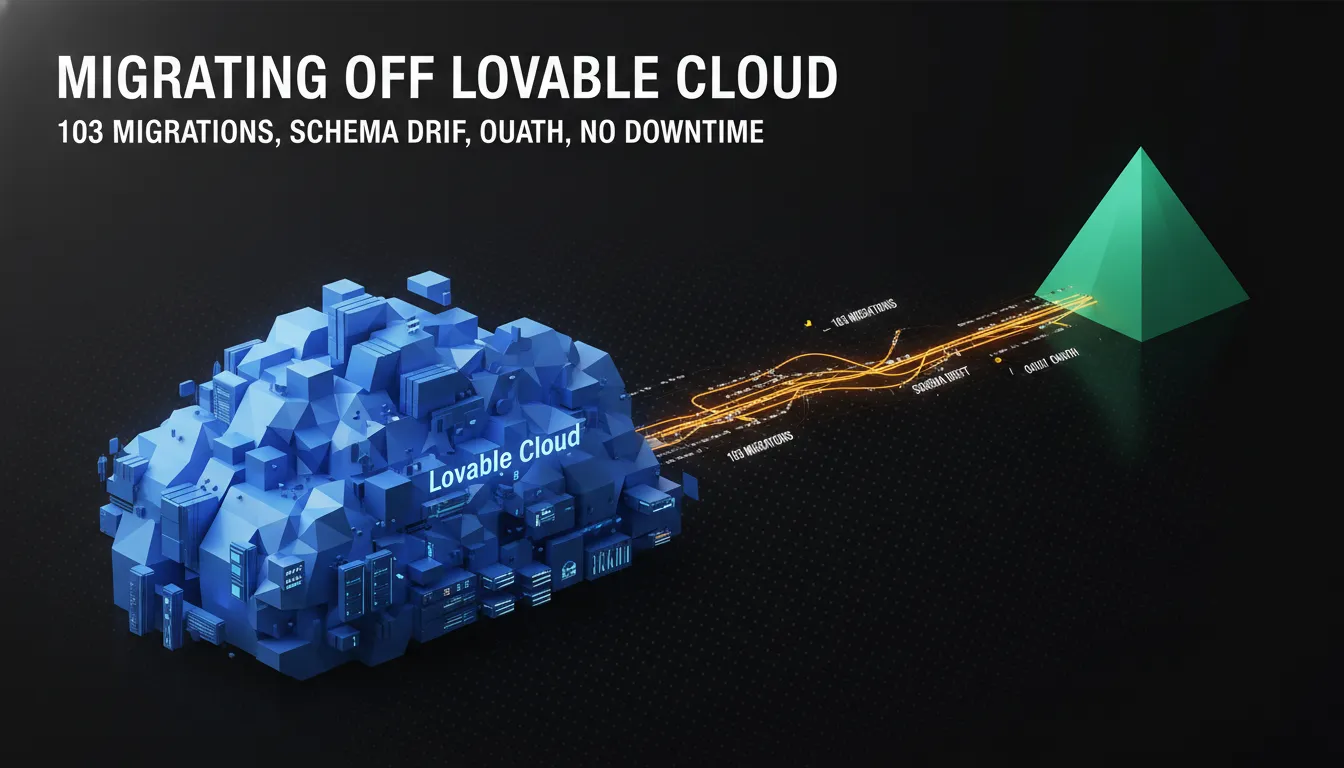
How to migrate off Lovable Cloud to self-managed Supabase, a VPS, and Cloudflare DNS with zero customer-visible downtime: the four hard parts, in order.
My dashboard showed zero billable hours for a day I'd worked. Five code paths marked tasks done; only one wrote the ledger. Why state needs exactly one writer.

A pre-seed startup wanted to self-host Gemma 3 to save 5x before their raise. The math said no. The real AI cost levers: metering, caching, and cascading.
Every skill you add to an AI coding agent is listed in the system prompt on every turn, used or not. How that token tax scales, and the pattern that stops it.
Every Claude Code skill costs tokens on every turn, even ones you never invoke. The router pattern that cut my catalog from 78 to 40, losing no workflows.

The one-hour CI hardening pass I run with clients: scan every workflow, pin actions to SHAs, scope tokens, kill template injection, audit cache trust.
The Android stack converged on Compose, MVVM and Hilt. A practitioner's guide to the three layers, one UiState per screen, and migrating off Fragments.
Fractional CTO vs full-time CTO: compare cost, commitment, and coverage, then use a 5-question decision framework to pick the right model for your stage.
A fractional CTO is a senior engineering leader who works part-time with your startup. Here's when to hire one, what they do, and what to expect to pay.
AI-written code is efficient, but as a magic bullet it erodes skills and ships bugs. When to use AI, when to skip it, and how to keep it an assistant.
Pull requests can become a bottleneck in closed-source teams. Why, when to keep them, and how to move to code discussions without losing quality or trust.
Exceptional engineers multiply a team's output. What defines a 10x developer, and how to build and keep one through hiring, momentum, trust, and autonomy.
Messy code creeps in as teams and projects grow. The warning signs that your codebase is deteriorating, and concrete ways to get your developers back on track.
Java on Android is a red flag: it signals outdated practices and pushes good engineers away. Why Kotlin wins, and how to migrate without a rewrite.
No posts match this tag.
Practical thoughts on engineering leadership, Android, and AI. No spam, unsubscribe anytime.
I use Google, Meta and LinkedIn ad measurement to see whether my ads bring visitors who get in touch. No retargeting, no ad personalisation. Privacy